Guest
Guest
Sep 09, 2025
8:30 AM

|
Auto Body Parts Suppliers: Embracing Industry 4.0 for Future Growth
In today’s competitive automotive industry, auto body parts suppliers are under pressure to deliver higher quality, faster turnaround, and cost efficiency. To meet these challenges, suppliers are adopting Industry 4.0 technologies—automation, robotics, digitalization, and data-driven decision-making—that are revolutionizing mechanical engineering and supporting industries.

Xem Chi Tiet Bai Viet Tai: auto body parts suppliers
Automation and Robotics in Production
The manufacturing of auto body parts requires precision and consistency. Robotic welding, stamping, and assembly lines enable suppliers to achieve these goals at scale. Automation reduces human error, ensures uniform quality, and increases productivity.
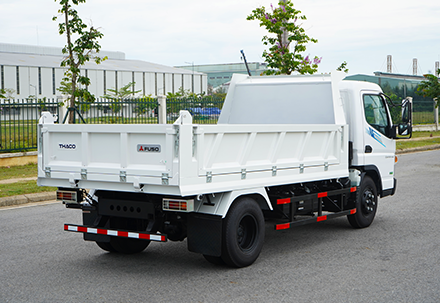
For auto body parts suppliers, robotics also supports flexible manufacturing, allowing rapid adaptation to new designs from automakers.

Digital Twins and Virtual Simulation
Digital twin technology is a key enabler of Industry 4.0. By creating virtual models of components and processes, suppliers can simulate performance, test durability, and optimize designs before production.
This approach minimizes prototyping costs, shortens development cycles, and ensures that body panels, doors, and structural parts meet safety and performance standards.
Smart Factories and IoT Integration
Industry 4.0 introduces the concept of smart factories, where machines, sensors, and systems are interconnected through the Internet of Things (IoT). For auto body parts suppliers, IoT-enabled machines provide real-time monitoring of production, predictive maintenance, and improved resource efficiency.
Such integration enhances supply chain visibility and reduces downtime, leading to cost savings and higher reliability.
Additive Manufacturing and Customization
3D printing, or additive manufacturing, is gaining traction in body part prototyping and low-volume production. This technology enables the creation of complex geometries and lightweight structures that traditional methods cannot achieve.
It also allows auto body parts suppliers to offer customization options, meeting the growing demand for personalized vehicles in both OEM and aftermarket sectors.
Data Analytics for Continuous Improvement
Data-driven decision-making is central to Industry 4.0. Advanced analytics help suppliers track performance, identify inefficiencies, and predict market trends. By leveraging big data, auto body parts suppliers can enhance quality control, reduce waste, and improve customer satisfaction.
Sustainability Through Smart Manufacturing
Industry 4.0 also supports sustainability goals. Automated systems minimize material waste, while energy-efficient machinery reduces carbon emissions. Combined with recyclable materials and eco-friendly coatings, these technologies position suppliers as leaders in green manufacturing.
Conclusion
The adoption of Industry 4.0 technologies is transforming the role of auto body parts suppliers in the automotive value chain. Automation, digital twins, IoT integration, and data analytics not only boost efficiency but also enable innovation and sustainability.
By embracing these technologies, suppliers will strengthen their competitiveness, meet evolving customer demands, and secure a strong position in the future of global automotive manufacturing. Thaco Industries consistently applies advanced technologies to ensure that all products meet international standards. Thanks to its systematic investments, the company has become a trusted OEM partner for many global corporations across key industrial sectors.
#auto_body_parts_suppliers, #autobodypartssuppliers, #Thaco_Industries, #ThacoIndustries, #Thaco_Industries
|